Category: Fashion

  • Roxy Antak Biography, Wikipedia, Age, Wife, Net Worth, Parents, Pictures

    Roxy Antak Biography, Wikipedia, Age, Wife, Net Worth, Parents, Pictures

    Everything To Known About EDEM ROXY ANTAK Biography, Wikipedia, State Of Origin, Tribe, Family, Parents, Siblings, Hometown, Village, Girlfriend, Married, Wife, Children, Net Worth, House, Cars, Education, Height, Movies, John Ekanem Images, Pictures, Facebook Photos, Twitter, TikTok, Interview, LinkedIn, YouTube, Phone Number, WhatsApp, Contact, Hairstyles, Tattoo, Voice, Eyes, Roxy Antak Gay or Straight, Marriage, Relationship, Partner, Engaged, Engagement, Wedding Pictures, Child, Son, Daughter, Father, Mother, Brother, Sister, Date Of Birth, Birthday, Age, Shirtless, History, Old Photos, Throwback, Latest Instagram Pictures
    Roxy Antak Biography, History, Pictures, Photos, Images


    Roxy Antak Wikipedia, Profile, Pictures, Then Vs Now Photos


    Edem Roxy Antak

    Who is Roxy Antak?

    Biography Wikipedia: Roxy Antak (born 19 October 1980s) is a Nigerian Nollywood Actor, Model, TV Host, MC & the CEO of Antak Media. His full name is Edem Roxy Antak.

    Roxy Antak is a native of Oron in Akwa Ibom state, Nigeria. He is Ibibio by tribe and a Christian by religion.

    His net worth is about $100,000 Dollars, estimated at about ₦140,000,000 Million Naira as at 2025 / 2024 (Not Forbes).

    Roxy Antak was born on 19 October 1980s in Surulere, Lagos State, but he originally hails from Akwa Ibom State, South-South part of Nigeria.

    Edem Roxy Antak was born into a Christian family to his parents Mr Sunday Antak (father) and Mrs Mary Edem (mother). He has 4 siblings.
    Roxy Antak And His Wife

    Edom Roxy Antak is happily married to his beautiful wife, Obianuju Abam Antak since December 30, 2020.

    Roxy Antak Profile Bio Data Summary

    Name: Roxy Antak
    Full Name: Edem Roxy Antak
    Nationality: Nigerian
    State Of Origin: Akwa Ibom State
    Hometown: Oron, Akwa Ibom
    Tribe: Ibibio
    Religion: Christian
    Height: 6″2 feet tall
    Date Of Birth: 19 October 1980s
    Birthday: 19 October
    Occupation: Actor, Model, Host, MC, Entrepreneur
    Net Worth: $100,000 US Dollars
    Net Worth In Naira: ₦140 Million Naira
    Parents: Mr and Mrs Antak
    Father: late Mr Sunday Effiong Antak
    Mother: Mary Kokoyo Edem
    Siblings: 4
    Sister: Fifi Antak
    Marital Status: Married
    Wife: Obianuju Abam Antak
    Children: 0
    Education: University of Benin (BSc Mathematics and Economics)
    Instagram: roxyantak
    Roxy Antak wife
    Roxy Antak biography
    Roxy Antak State of Origin
    Roxy Antak wife
    Roxy Antak age

    Roxy Antak CareerBio Wiki: Roxy Antak is a Nigerian actor known for the following Nollywood movies, The Women (2017), My Name Is Ivy (2018), Finding Mr Right (2019), 5 Is Company (2020), General’s Wife (2022), Crazy Ex (2023), and Meet the Hosts (2024).

    Roxy Antak started his Nollywood acting career as a child actor at age 8 when he featured in ‘Tales by Moonlight’ on NTA. He later returned as a grown adult with a cameo appearance on ‘Tinsel’ in 2010.Roxy Antak has acted alongside other Nollywood star actors and actresses such as, Jim Iyke, Eucharia Anunobi, Kate Henshaw, Ini Edo, Mercy Johnson, Ken Erics, Joke Silva, Shan George, Chiwetalu Agu, Wale Ojo, Ireti Doyle, Empress Njamah, Uche Jombo, Mike Godson, Bimbo Ademoye, Yvonne Jegede, Ruth Kadiri, Segun Arinze, Tana Adelana, Bolanle Ninalowo, Nuella Njubuigbo, Chinenye Nnebe, Wole Ojo, Eddie Watson, Sophie Alakija, Ray Emodi, Sandra Okunzuwa, Kachi Nnochiri, Uchechi Treasure Adakirikiri, Oguike Sisters, Ekwutousi, Angel Unigwe, Shine Roseman, Kunle Remi, Moyo Lawal, IK Ogbonna, May Yul Edochie, among others.
    Roxy Antak Movies: Roxy Antak list of movies include,
    One Too Many Heartbreaks (2023)
    Love In Details (2023)
    When I Loved You (2023)
    Falling In Love (2023)
    The Thin Line Between You And Me (2023)
    Juvenile (2023)
    Mine In Chains (2023)
    Not Just You (2023)
    Mzoma (2023)
    Alternate Feelings (2023)
    Obsessively Kate (2023)
    Break Free (2022)
    Walk With Me (2022)
    What The Heart Sees (2022)
    General’s Wife (2022)
    Happy Ending (2021)
    Crossed Path (2021)
    Don’s Fetish (2021)
    Under The Carpet (2021)
    Expertee (2020)
    Family Tussle (2020)
    The Indoor (2020)
    5 Is Company (2020)
    Entanglement (2020)
    Taster (2020)
    Maybe Mine (2020)
    Grey Area (2020)
    Hell Cat (2019)
    Finding Mr Right (2019)
    Entangled Guilt (2019)
    Slay Queen (2019)
    X-Factor (2019)
    My Name Is Ivy (2018)
    Taken (2018)
    Seven And A Half Dates (2018)
    The Women (2017), etc.
    Roxy Antak Modelling Career: Roxy Antak is a model who has done some TV commercials for popular brands.
    Her has done some TV commercials with Davido, King Sunny Ade, Waje, Omawumi, Desmond Elliot, RMD, MI, Dele Momodu, Sammy Okposo, Korede Bello, among others.
    Roxy Antak did ads for MTN, Glo, etc.
    Antak Media: Roxy Antak is the founder of ANTAK MEDIA LIMITED – a Broadcasting & Media production company.

    Roxy Antak Mr Universe Nigeria 2012 Contest: Roxy Antak contested in Mr Universe Nigeria 2012 male pageant. He contested as Mr Taraba – Mr Universe Nigeria 2012.

    Roxy Antak Voice: Roxy Antak has a fine deep voice. He refers to his voice as ‘NOLLYWOOD’s Sexiest VOICE’.

    Roxy Antak Fitness: Roxy Antak is a fitness enthusiast who used to workout at the gym and had muscular body with 6 pack abs. But he reduced the way he used to visit the gym and lost bulk of his muscular physique. But Roxy is heading back to the gym.

    Edem Roxy Antak 2007 throwback photo

    Roxy Antak Before and After Photos

    Roxy Antak Education
    Roxy Antak is a graduate of Mathematics and Economics from the University of Benin (2004 – 2009).
    He attended Iponri Estate High School. He had his primary and secondary school education in Lagos state where he obtained First School Leaving Certificate and Senior Secondary School Certificate (SSCE) before proceeding to the UNIBEN for a bachelor’s degree.
    Roxy Antak State Of Origin: Where is Roxy Antak from? Roxy Antak is from Akwa Ibom State, Nigeria. He hails from the South – South part of Nigeria.
    Roxy Antak Hometown, Village: Roxy Antak is an indigene of Oron, Akwa Ibom state, Nigeria.
    Roxy Antak Tribe: What tribe is Roxy Antak? Roxy Antak is Ibibio by tribe.

    Roxy Antak Date Of Birth, Birthday: Roxy Antak was born on 19 October 1980s in Lagos state. He celebrates his birthday on 19th of October.

    Roxy Antak Age: How old is Roxy Antak? Roxy Antak is in his 30s.

    Roxy Antak Height: How tall is Roxy Antak? Roxy Antak stands at about 6″2 feet tall. He is tall, fair and handsome.

    Roxy Antak Family: Roxy Antak is from a Christian family of seven (7). His family members include his parents Mr and Mrs Antak and their 5 children. His dad is late. Edem Roxy Antak is the third child of his family.

    Throwback photo of Roxy Antak with mother and brother

    Roxy Antak Parents: The names of Roxy Antak parents are Mr Sunday Antak (father) And Pastor Mrs Mary K Edem (mother). His parents are both from Akwa Ibom state. His father is late but his mother is alive.

    Roxy Antak Parents (father and Mother)

    Roxy Antak Father: The name of Roxy Antak’s father is late superintendent Sunday Effiong Antak (1943 – 2011). He was a Nigerian Customs Service Officer. He hailed from Oron in Akwa Ibom State.

    Roxy Antak Father (late Sunday Effiong Antak)
    Roxy Antak father died on Thursday 15 December 2011) at age 68.

    Roxy Antak Mother: The name of Roxy Antak mother is Pastor Mary Kokoyo Edem. She is a Pastor, Evangelist, and Speaker. She was born on 27 September 1964. She is 60 years old as at 2024.

    Roxy Antak Mother (Pastor Mary Kokoyo Edem)

    Roxy Antak Siblings, Brother, Sister: Roxy Antak has 4 siblings, brothers and sisters. The name of his sister is Fifi Antak. He younger brother is a pastor who is married with children.

    Roxy Antak Siblings (Brother and Sister)

    Roxy Antak Married, Marriage, Wedding Pictures: Is Roxy Antak married? Roxy Antak got married to his wife, Obianuju Abam Antak in a traditional wedding on 30th of October 2021 and in a court wedding on December 30, 2021.

    Edem Roxy Antak Married, Wife, Wedding Pictures (Traditional & Court Registry Wedding Photos)

    Roxy Antak Wife: Who is Roxy Antak Wife? The name of Roxy Antak wife is Obianuju Abam Antak. She was born on July 23. Edem Roxy Antak and his wife have been married for 3 years now as at December 2024. Their 4th wedding anniversary is in December 2025.

    Roxy Antak Wife (Obianuju Abam Antak)

    Roxy Antak Children, Child, Son, Daughter: Details of Roxy Antak’s children will be updated later.

    Roxy Antak Net Worth: Roxy Antak net worth is about $100,000 Dollars (₦140 Million in Naira) as at 2025/2024 (Not Forbes).
    Roxy Antak House and Cars: Roxy Antak lives in Lagos, Nigeria and drives a nice car.
    Roxy Antak Phone Number, WhatsApp, Contact: Roxy Antak can be contacted via his Instagram DM or Facebook account.
    Roxy Antak Instagram: Roxy Antak Instagram page Account Profile Handle is roxyantak. David Ezekiel currently has 91.8K followers on his Instagram page as at December 2024.

  • Wanni and Handi Biography: Age, Net Worth, Tribe, State of Origin

    Wanni and Handi Biography: Age, Net Worth, Tribe, State of Origin

    Introduction: Who Are Wanni and Handi?

    When you think of the modern African entertainment scene, names like Wanni and Handi shine brightly. These two Nigerian creators have taken social media by storm, captivating audiences with their humorous skits, engaging personalities, and authentic representation of Nigerian culture. As a dynamic duo, they’ve gained massive followings on platforms like TikTok, Instagram, and YouTube, where their hilarious, relatable content reaches millions.

    Wanni and Handi’s bond goes beyond friendship. They embody the essence of true collaboration, blending their talents seamlessly to produce content that resonates deeply with viewers across Africa and beyond. From family-friendly humor to cultural anecdotes, their work reflects the beauty and complexity of Nigerian life, making them favorites in the hearts of many.

    Wanni and Handi Biography

    Wanni and Handi’s Early Life and Background

    Where It All Began: Family Roots and Upbringing

    Wanni and Handi hail from Nigeria, a vibrant country rich in culture, language, and diversity. While they’re known for their online personas, they have distinct backgrounds that have greatly shaped who they are today. Understanding their family roots and upbringing offers insight into their personalities and creative styles.

    Wanni was born and raised in [State of origin], belonging to the [Tribe] tribe. His upbringing was filled with traditional Nigerian values and customs, which play a significant role in his storytelling style. Growing up in a large family, Wanni was accustomed to blending his daily life experiences with humor—a skill that has become central to his online persona.

    Handi, on the other hand, grew up in [State of origin], belonging to the [Tribe] tribe. His journey into content creation began in childhood, where he often used humor as a way to connect with others. His family encouraged him to embrace his creative side, and he quickly learned the power of entertainment in bringing people together.

    How They Met: The Birth of a Powerful Partnership

    Wanni and Handi’s First Encounter

    The story of Wanni and Handi’s partnership is a fascinating one. They met during a creative event in Nigeria, where their shared interests in comedy and storytelling brought them together. Recognizing their chemistry and mutual passion for creating, they decided to join forces. Their first collaboration went viral, proving that their unique dynamic was something special.

    From their early days, they realized they had a natural talent for bringing joy to others. Over time, their collaborations grew into a brand of humor and relatability that transcends borders.

    The Rise to Fame: Wanni and Handi’s Content Journey

    Building a Social Media Empire

    Their rise to fame didn’t happen overnight. Wanni and Handi invested countless hours into building their brand and engaging with their followers. Their unique approach to content creation—rooted in authenticity and cultural pride—set them apart. They gained traction on TikTok and Instagram, where their comedic videos resonated with viewers worldwide. They quickly expanded to YouTube, sharing skits, daily vlogs, and interactive Q&A sessions that provided fans a peek into their personal lives.

    Creative Content: Relatable, Funny, and Culturally Rich

    Wanni and Handi’s content often explores Nigerian culture, family dynamics, and the humorous side of daily life. They skillfully blend local dialects, traditional music, and popular cultural references, creating an experience that’s both entertaining and educational. Whether they’re portraying relatable scenarios or sharing quirky cultural insights, their humor brings a fresh perspective on what it means to be Nigerian.

    Wanni and Handi’s Age and Personal Details

    How Old Are Wanni and Handi?

    The age of Wanni and Handi is a topic of curiosity among fans. As of [current year], Wanni is [Age] years old, and Handi is [Age] years old. Their youthful energy and playful interactions give them universal appeal, allowing them to connect with viewers across various age groups.

    Balancing Public and Private Life

    While they share much of their lives online, Wanni and Handi maintain a healthy boundary between their public personas and personal lives. Their openness about their journeys has inspired many fans to embrace authenticity and vulnerability in their own lives.

    Net Worth: How Much Are Wanni and Handi Worth?

    An Impressive Earnings Path

    Wanni and Handi’s success on social media has brought them substantial financial rewards. Through brand partnerships, sponsorships, and ad revenue from their platforms, they’ve built impressive wealth. As of [current year], their estimated net worth stands at approximately $[Net Worth].

    Income Sources: Sponsorships, Brand Deals, and Merchandising

    Their primary income sources include:

    • Brand Partnerships: Collaborations with prominent brands targeting youth audiences.
    • Ad Revenue: Earnings from YouTube ads, which contribute significantly to their income.
    • Merchandise: They recently launched their own merchandise line, featuring catchphrases and designs that resonate with their fan base.

    This combination of revenue streams has allowed them to enjoy a financially secure lifestyle while continuing to pursue their creative dreams.

    Tribe and State of Origin

    Cultural Roots and Heritage

    Wanni and Handi’s cultural backgrounds play an essential role in their storytelling. Wanni belongs to the [Tribe] tribe from [State], while Handi comes from the [Tribe] tribe in [State]. Their pride in their heritage is evident in their content, where they often highlight cultural elements and promote Nigerian traditions.

    Representation of Nigerian Culture

    By celebrating their roots, Wanni and Handi have become ambassadors for Nigerian culture. Their ability to bring tribal and cultural nuances into the digital space has resonated with audiences worldwide, making them symbols of African pride and unity.

    Wanni and Handi’s Future Goals and Ambitions

    What’s Next for Wanni and Handi?

    Wanni and Handi show no signs of slowing down. With plans to explore international markets and collaborate with global creators, their future looks incredibly promising. They’ve expressed interest in launching a podcast, producing long-form content, and even exploring acting opportunities in Nollywood.

    Inspiring the Next Generation

    As influencers, Wanni and Handi are dedicated to inspiring young Africans to pursue their passions. Their story proves that with determination, creativity, and collaboration, one can turn a dream into reality, even on the international stage.

    Key Takeaways from Wanni and Handi’s Journey

    Wanni and Handi’s journey is a remarkable one. Their rise to fame, rooted in friendship, talent, and authenticity, offers numerous lessons for aspiring content creators. Here are some of the key takeaways from their story:

    • Consistency is Key: They’ve built a dedicated following by consistently delivering relatable and entertaining content.
    • Cultural Pride: Embracing and showcasing their Nigerian roots has endeared them to fans worldwide.
    • Collaboration: Their partnership illustrates the power of unity and shared vision.

    Final Thoughts: Celebrating Wanni and Handi’s Legacy

    Wanni and Handi’s story is more than just a biography; it’s a celebration of friendship, cultural pride, and the power of content creation. Through their journey, they’ve shown that true success lies in staying authentic, celebrating one’s roots, and creating content that speaks to people’s hearts. As they continue to inspire audiences globally, their influence as Nigerian creators will undoubtedly leave a lasting legacy.

  • Hausa Traditional Attire for Male: The Rich Heritage of Hausa Men’s Fashion

    Hausa Traditional Attire for Male: The Rich Heritage of Hausa Men’s Fashion

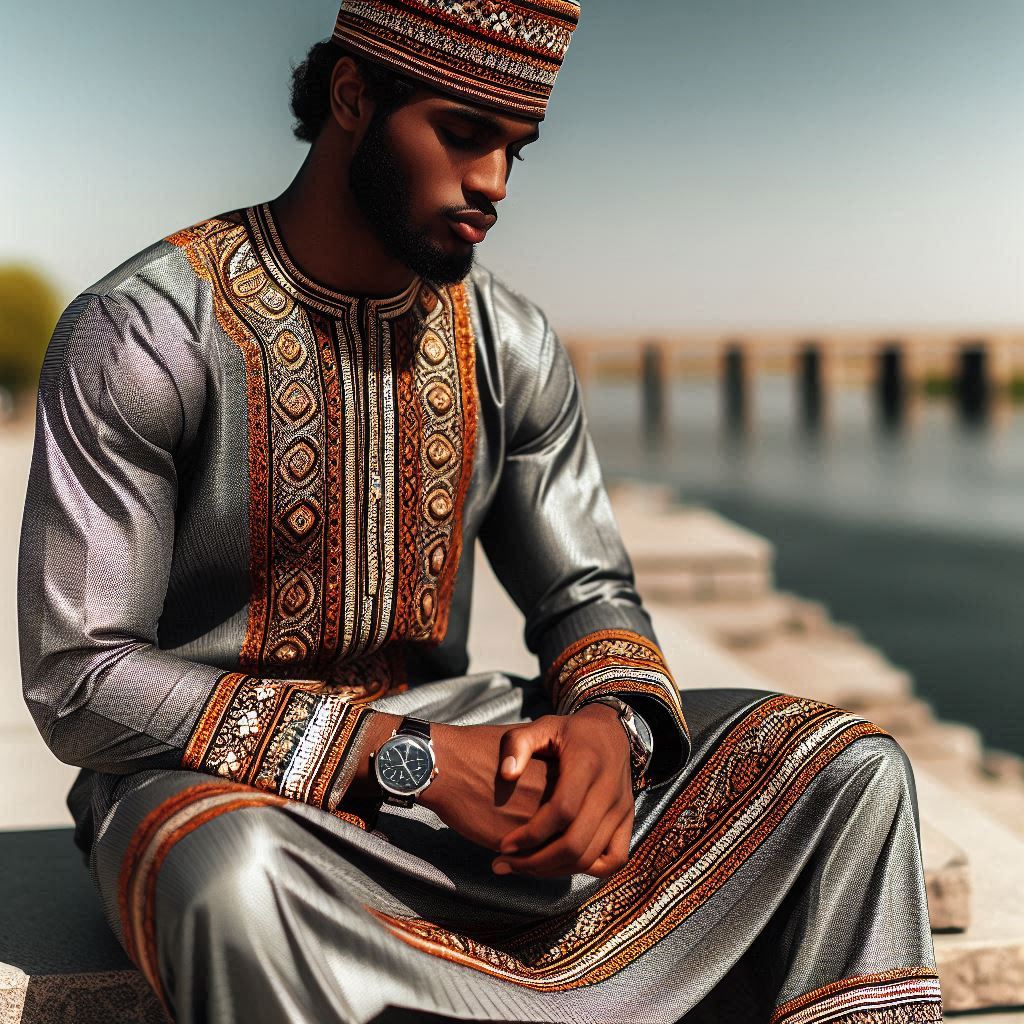
    Hausa traditional attire for males is much more than just clothing—it’s a symbol of identity, heritage, and cultural pride. The traditional styles worn by Hausa men have been passed down through generations, embodying the history, craftsmanship, and cultural richness of the Hausa people. This distinctive attire not only showcases elegance but also reflects deep cultural values, religious beliefs, and social status within Hausa communities.

    In this article, we’ll explore the variety of clothing styles unique to Hausa men, the occasions that call for different outfits, and the significance these pieces hold in Hausa society. Let’s dive deep into how each piece—from the iconic Babban Riga to the stylish Kaftan—contributes to the rich tapestry of Hausa heritage.

    hausa traditional attire for male

    Overview Of Hausa Traditional Attire For Male

    Hausa men’s attire is often elegant yet simple, with an emphasis on quality fabrics, subtle embroidery, and well-fitted garments. The most popular Hausa male attire pieces include:

    • Babban Riga – Known for its grandeur, this flowing gown is often adorned with intricate embroidery.
    • Kaftan – A long robe that is more fitted, offering a modern twist on tradition.
    • Jalabiya – Lightweight and comfortable, perfect for daily wear.
    • Hula – The Hausa traditional cap, intricately designed and proudly worn as a mark of identity.

    Each of these styles is crafted with purpose, whether it’s for formal occasions, religious gatherings, or daily wear.

    The Iconic Babban Riga: Symbol of Prestige and Honor

    The Babban Riga is perhaps the most recognizable attire for Hausa men. Often reserved for important events, this long, flowing robe is both elegant and commanding in presence. With its roomy structure and ankle-length design, the Babban Riga is symbolic of honor and respect, typically worn by elders, dignitaries, and community leaders.

    • Fabric and Design: Traditionally, the Babban Riga is made from high-quality materials like cotton or silk, chosen for their durability and comfort. Many versions feature intricate embroidery, particularly along the neckline, sleeves, and chest, which adds an unmistakable mark of craftsmanship.
    • Occasions to Wear: The Babban Riga is commonly seen at weddings, religious ceremonies, and formal gatherings. It is an attire that conveys respect, making it a favorite for celebrating cultural or family milestones.

    Kaftan: A Modern Touch to Hausa Tradition

    While the Babban Riga is ceremonial, the Kaftan serves as a more versatile garment for Hausa men. This long, fitted robe has a simpler look, making it popular among younger men and those who prefer a less formal style.

    • Style and Appeal: The Kaftan can be worn on both formal and semi-formal occasions, and it’s available in various colors, often with contrasting thread embroidery on the neckline and cuffs. For many, the Kaftan represents a balance between modern fashion and traditional values.
    • Versatility in Attire: The Kaftan has gained widespread acceptance across Nigeria, not only within Hausa culture. Its popularity is driven by its adaptability—Hausa men can dress it up with a Hula or keep it casual for day-to-day activities.
    hausa man wearing kaftan dress

    Jalabiya: The Comfortable Everyday Attire

    The Jalabiya offers a more casual alternative in Hausa attire. Known for its light and comfortable fabric, it’s ideal for hot climates and often worn as daily wear.

    • Practicality and Comfort: Typically made from breathable fabrics like cotton or linen, the Jalabiya is designed for comfort, especially during Nigeria’s warmer seasons. While it’s usually simpler than other garments, it still carries the cultural significance of Hausa tradition.
    • Cultural Significance: Even as a more relaxed garment, the Jalabiya holds a special place within Hausa communities, often associated with humility and modesty.
    jalabiya

    The Hula: More Than Just a Cap

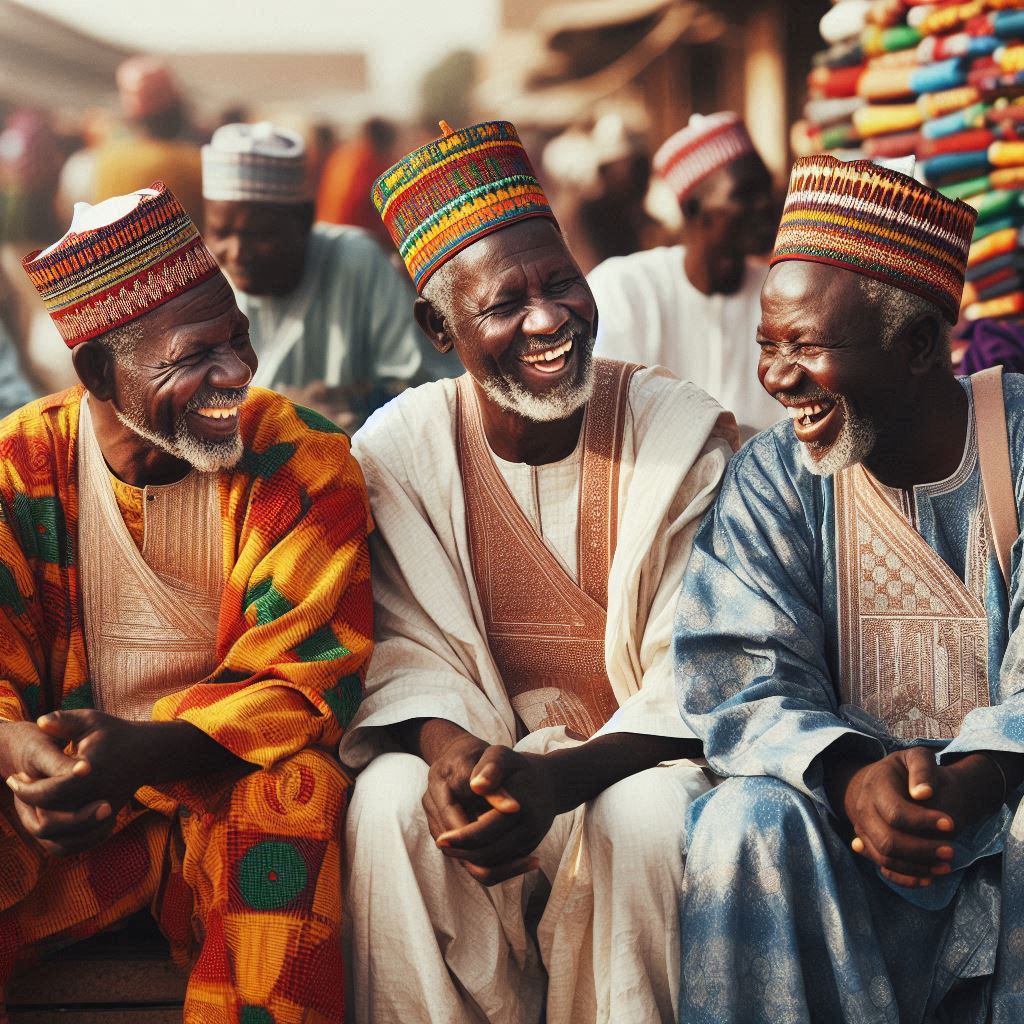
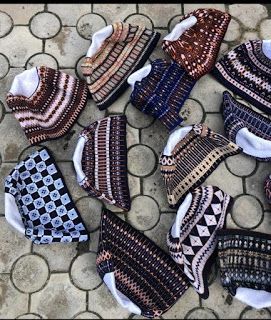
    No traditional Hausa outfit is complete without the Hula, a traditional cap known for its colorful embroidery and symbolic importance. Worn with almost any Hausa attire, the Hula is a mark of identity and social pride among Hausa men.

    • Design and Craftsmanship: Each Hula cap is carefully crafted with unique patterns, showcasing skillful embroidery in bright colors. These caps are often handmade, with patterns that can be passed down through generations.
    • Significance in Hausa Culture: The Hula isn’t just an accessory; it symbolizes a man’s status and is a source of cultural pride. Young boys often wear it as a rite of passage, while older men wear it to denote respect within their communities.
    the Hula cap

    Occasions for Wearing Hausa Traditional Attire

    The versatility of Hausa traditional attire allows it to be worn across a wide range of events and activities. From religious ceremonies to social gatherings, each garment has its own place:

    1. Religious Gatherings: During Islamic celebrations, Hausa men often wear the Babban Riga or Kaftan, paired with the Hula, to reflect their devotion.
    2. Weddings and Festivities: Weddings are a significant celebration in Hausa culture, where men are dressed in their finest Babban Riga and Kaftan to show respect and honor.
    3. Daily Life: For everyday use, garments like the Jalabiya offer practicality and comfort, with some men opting to wear a simpler Kaftan.

    Each event underscores the symbolic meaning behind the attire, and Hausa men often select garments that not only match the occasion but also uphold tradition.

    Influence of Hausa Attire in Modern Fashion

    Hausa traditional attire has steadily influenced modern fashion trends, especially within Nigeria and across Africa. Designers are now blending Hausa embroidery and traditional silhouettes into contemporary styles, making Hausa attire an integral part of the African fashion scene.

    • Modern-Day Adaptations: Today, you’ll find Kaftans and Babban Riga styles made with modern cuts and fabrics, appealing to younger generations and global audiences. This merging of styles has transformed Hausa attire into a symbol of cultural pride and modern elegance.
    • Global Appeal: Fashion designers globally have begun incorporating elements of Hausa traditional attire in their collections, highlighting the cultural importance and aesthetic appeal of these timeless styles.

    Caring for Hausa Traditional Attire

    Given the craftsmanship and quality materials used, Hausa attire requires careful maintenance to retain its appearance over time.

    • Cleaning: Always wash by hand or take items to a professional cleaner, especially those made from delicate fabrics like silk or intricately embroidered pieces.
    • Storage: Store garments in a cool, dry place, ensuring they’re protected from humidity and pests. Folding and covering with cotton or breathable fabric helps maintain their structure.

    Conclusion: Preserving the Rich Heritage of Hausa Men’s Attire

    In essence, Hausa traditional attire for men represents more than clothing; it’s a living symbol of culture, heritage, and pride. From the grandeur of the Babban Riga to the functional Kaftan, each piece plays a unique role in expressing identity and preserving cultural values. This attire has not only remained relevant across generations but has also gained admiration worldwide, showcasing the elegance and depth of Hausa heritage.

    Whether you’re a fashion enthusiast or simply curious about Hausa culture, exploring the nuances of these garments reveals the strength and beauty of cultural identity—a timeless influence that goes beyond borders.

  • Hausa Traditional Attire for Female: The Ultimate Style Guide 2024

    Hausa Traditional Attire for Female: The Ultimate Style Guide 2024

    The resplendent world of Hausa traditional attire for female wear stands as a testament to Northern Nigeria’s rich cultural heritage. These garments aren’t just pieces of clothing; they’re wearable art that tells stories of tradition, status, and cultural pride. I’ve spent years studying and documenting these remarkable fashion elements, and I’m excited to share this comprehensive guide with you.

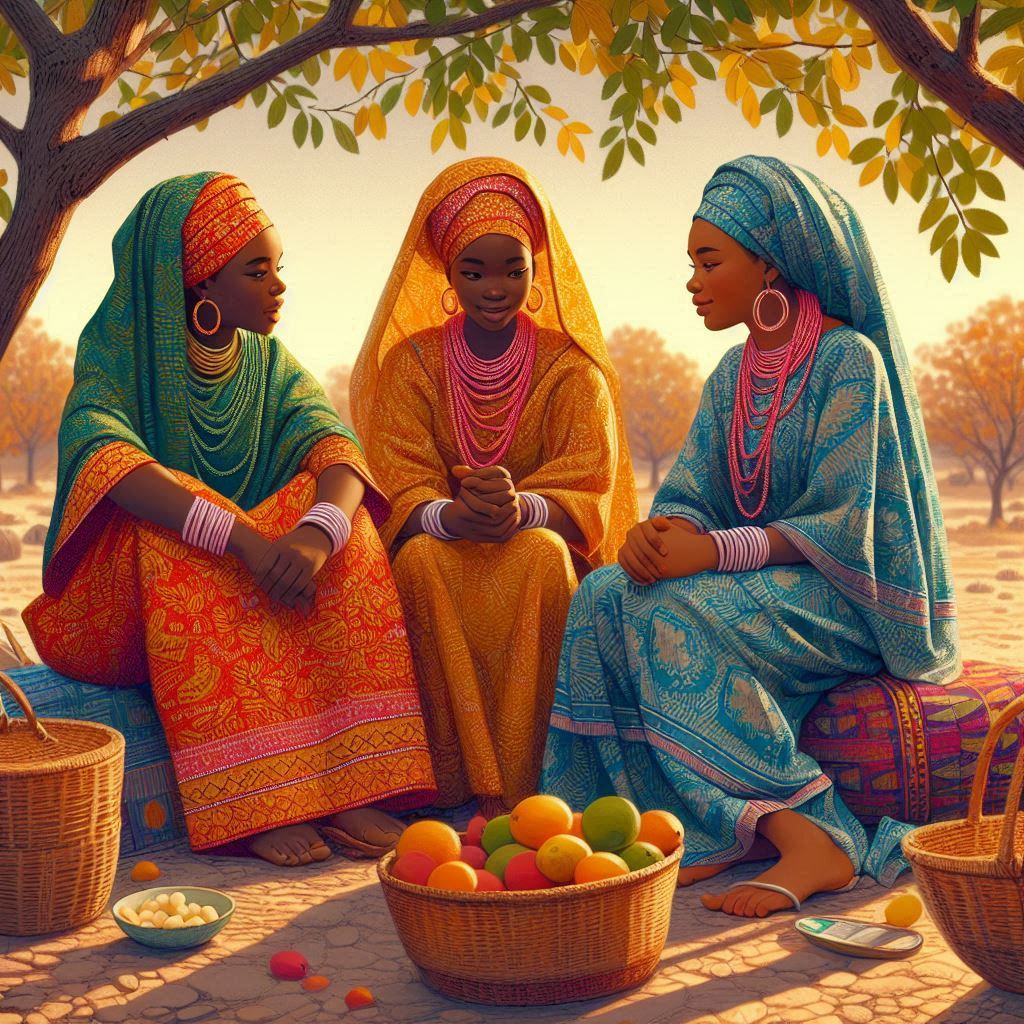
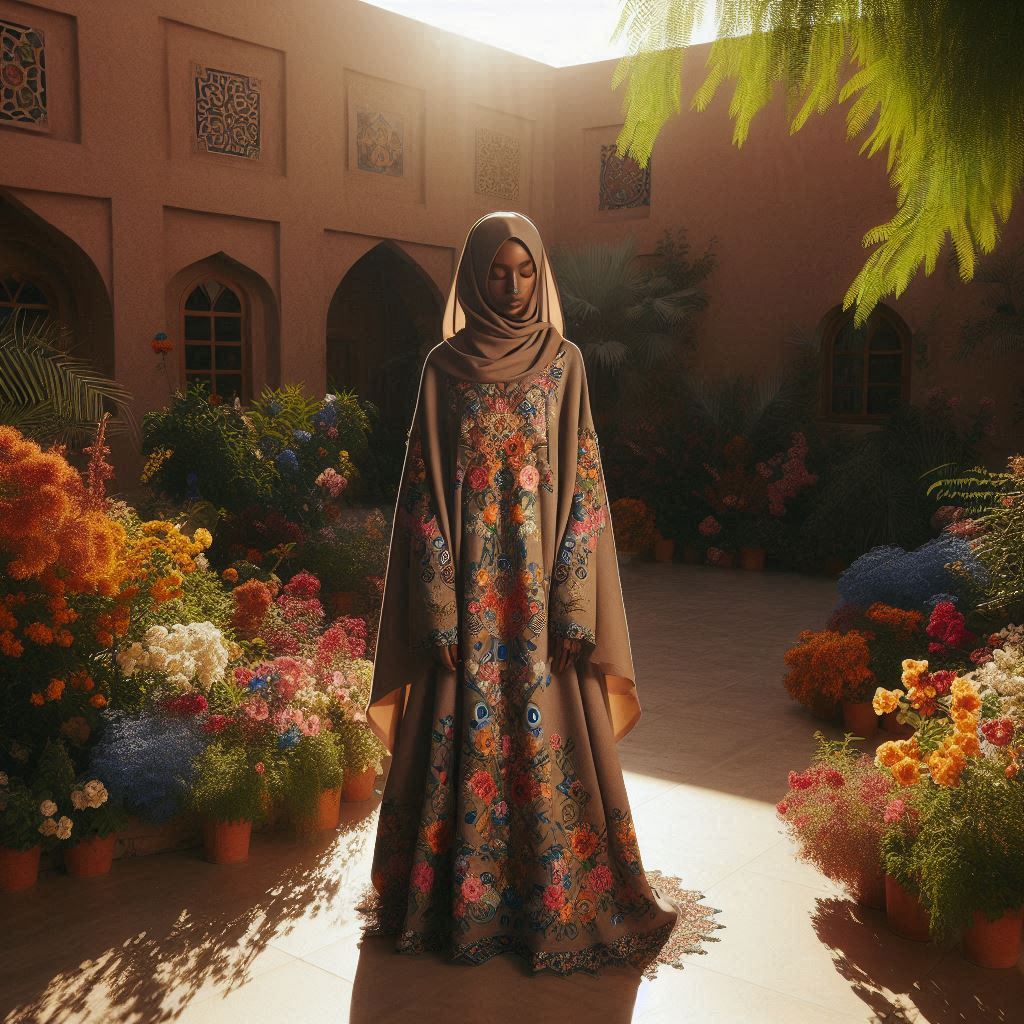
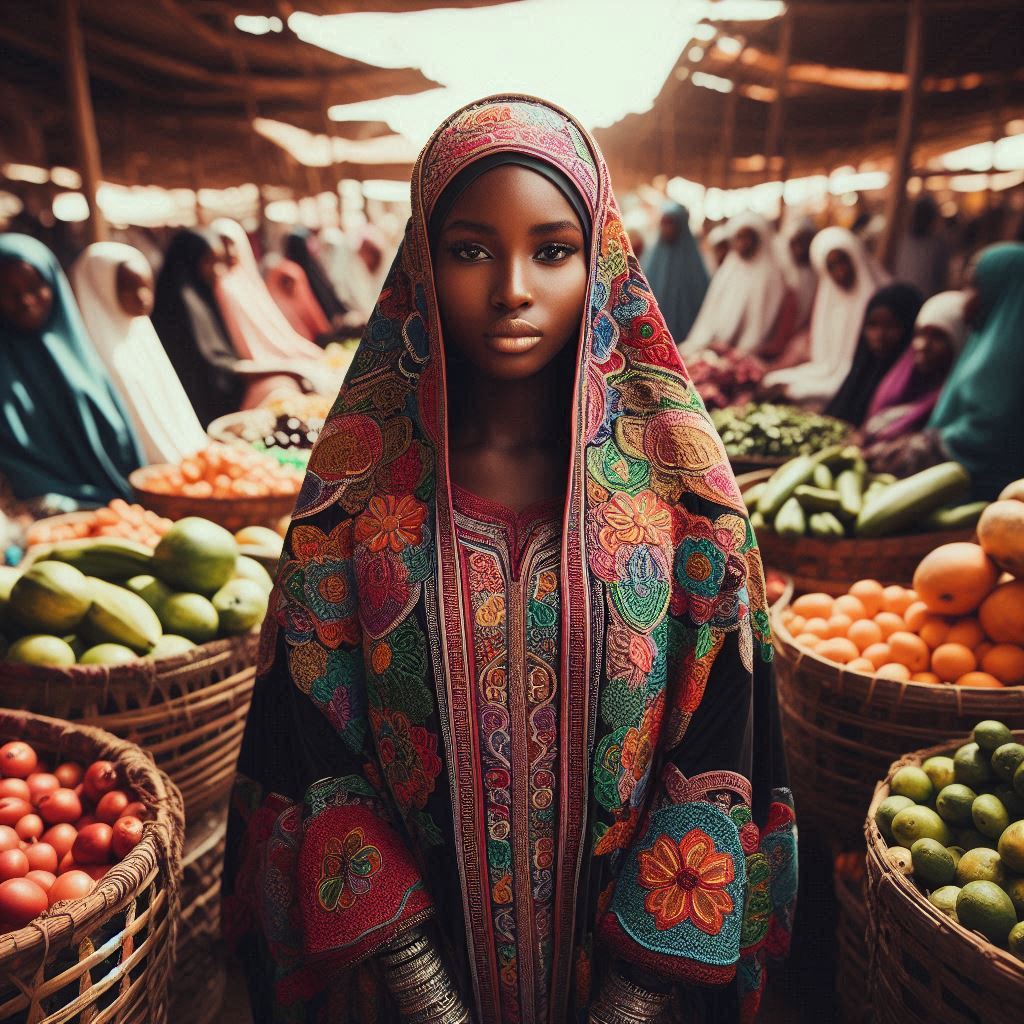
    hausa traditional attire for female

    Essential Components of Hausa Traditional Attire for Female Dress

    The Abaya (Flowing Gown)

    The cornerstone of Hausa traditional attire for female wear is the abaya, a flowing gown that combines comfort with elegance. Modern interpretations feature:

    • Hand-embroidered necklines with traditional motifs
    • High-quality fabrics like atampa and guinea brocade
    • Varying sleeve lengths to suit different occasions
    • Intricate beadwork and sequin embellishments
    Abaya

    Zani (Wrapper)

    The zani serves as both a practical and decorative element of the ensemble. This rectangular piece of fabric, typically measuring 2×6 meters, can be styled in numerous ways:

    1. Traditional knee-length wrap
    2. Full-length formal draping
    3. Shoulder sash for special occasions
    4. Complementary layer under the abaya
    zani

    Modern Interpretations of Traditional Designs

    Today’s fashion designers are revolutionizing Hausa traditional attire for female wear while maintaining its cultural essence. According to the Nigerian Fashion Council (https://www.fashioncouncil.ng), there’s been a 40% increase in the incorporation of traditional Hausa elements in contemporary fashion since 2020.

    Popular Modern Adaptations

    • Fusion of traditional embroidery with modern cuts
    • Integration of sustainable fabrics
    • Incorporation of western design elements
    • Ready-to-wear versions of classic styles

    Fabric Choices and Their Significance

    Traditional Fabrics

    • Atampa: Reserved for special occasions
    • Guinea Brocade: Symbol of prosperity
    • Ankara: Versatile and colorful option
    • Lace: Modern addition for formal wear

    Accessorizing Hausa Traditional Attire for Female Wear

    Essential Accessories

    1. Kallabi (Head Ties)
      • Traditional patterns
      • Modern styling techniques
      • Occasion-appropriate variations
    2. Jewelry
      • Gold-plated pieces
      • Traditional beadwork
      • Contemporary fusion designs

    Occasions and Appropriate Attire

    Wedding Attire

    The most elaborate version of Hausa traditional attire for female guests includes:

    • Heavily embroidered abaya
    • Multiple layers of premium fabric
    • Coordinated accessories
    • Custom-made shoes

    Festival Wear

    During cultural festivals, women opt for:

    • Brighter color combinations
    • Lighter fabric choices
    • More practical styling
    • Traditional patterns

    Care and Maintenance

    Proper Storage

    • Use padded hangers for abayas
    • Store in breathable garment bags
    • Keep away from direct sunlight
    • Use cedar blocks for natural pest control

    Cleaning Guidelines

    • Hand wash delicate pieces
    • Professional cleaning for embellished items
    • Air dry in shade
    • Regular maintenance of embroidery

    Cultural Significance and Symbolism

    Different elements of Hausa traditional attire for female wear carry deep cultural meaning:

    • Colors: Represent various life stages and occasions
    • Patterns: Tell stories of heritage and family history
    • Embroidery: Indicates social status and regional origins
    • Fabric Quality: Reflects celebration importance

    Shopping Guide

    Where to Find Authentic Pieces

    Styling Tips for Different Body Types

    Petite Frames

    • Choose vertical patterns
    • Opt for fitted abayas
    • Select monochromatic combinations
    • Use strategic layering

    Plus Size

    • Empire waist cuts
    • Dark base colors with subtle patterns
    • Flowing silhouettes
    • Strategic placement of embroidery

    Seasonal Adaptations

    Hot Season Wear

    • Lightweight fabrics
    • Breathable designs
    • Minimal layering
    • Cool color palettes

    Harmattan Season

    • Heavier fabrics
    • Layered styling
    • Warmer color choices
    • Additional accessories

    Final Insights

    The beauty of Hausa traditional attire for female wear lies in its versatility and timeless appeal. Whether you’re attending a wedding, celebrating a festival, or simply wanting to connect with your cultural roots, these garments offer both style and substance.

    Investment Pieces Worth Considering

    1. A high-quality embroidered abaya
    2. Premium zani in neutral colors
    3. Versatile head tie collection
    4. Traditional jewelry set

    Looking Forward

    As we embrace the future while honoring our past, Hausa traditional attire for female wear continues to evolve. The key is maintaining the delicate balance between preservation and innovation, ensuring these beautiful garments remain relevant for generations to come.

    Citations:

  • Veekee James Net worth, Biography, Age Real name

    Veekee James Net worth, Biography, Age Real name

    In the dynamic world of African fashion, few names shine as brightly as Veekee James. From her humble beginnings in Ajegunle to becoming Africa’s most celebrated fashion designer, her journey embodies the perfect blend of creativity, entrepreneurship, and determination. This comprehensive guide delves deep into Veekee James’s biography, current net worth, and the remarkable empire she’s built through innovative design and business acumen.

    Veekee James Net worth, Biography, Age Real name

    Quick Profile: Veekee James at a Glance

    CategoryDetails
    Real NameRuth Erikan James
    Professional NameVeekee James
    Date of BirthJune 9, 1995
    Current Age28 years (as of 2024)
    Place of BirthLagos State, Nigeria
    Net Worth (2024)Estimated $2-3 million
    SpouseFemi Atere
    ProfessionFashion Designer, Entrepreneur

    Early Life & Background: The Making of a Fashion Icon

    Born as Ruth Erikan James in Lagos State, Veekee James spent her formative years navigating the vibrant streets of Ajegunle. This bustling neighborhood, known for its rich cultural tapestry and entrepreneurial spirit, played a crucial role in shaping her creative vision and business acumen.

    Childhood & Family Influences

    Growing up in a middle-class Nigerian family, young Ruth was exposed to diverse cultural influences that would later shape her design aesthetic. Her mother, a talented seamstress, introduced her to the basics of clothing construction, while her father’s business acumen provided early lessons in entrepreneurship.

    Key childhood influences included:

    • Traditional Nigerian fabric markets
    • Local fashion traditions
    • Cultural celebrations
    • Family crafting sessions
    • Community style exhibitions

    Educational Journey & Career Transition

    Veekee’s academic path took several unexpected turns:

    1. Early Education
      • Completed primary education at St. Mary’s School, Lagos
      • Secondary education at Queen’s College, Lagos
      • Excelled in creative arts and sciences
    2. University Years
      • Enrolled in Biochemistry at University of Uyo
      • Discovered passion for fashion design
      • Started small-scale clothing alterations
    3. Fashion Education
      • Self-taught through online resources
      • Apprenticed with local master tailors
      • Attended short courses in design and pattern making

    “Education is important, but passion is irreplaceable. I found my true calling in fashion, and that changed everything.” – Veekee James

    The Birth of an Empire: Brand Evolution

    Early Business Ventures

    Veekee James’s journey to success began with modest steps:

    2017-2018: Foundation Phase

    • Started with a single sewing machine
    • Operated from her family home
    • Focused on small alterations and repairs
    • Built initial client base through word-of-mouth

    2019: Brand Launch

    • Official launch of Veekee James brand
    • First bridal collection release
    • Social media marketing initiation
    • Hire of first employees

    Business Growth Metrics

    YearMajor MilestoneEstimated Revenue Impact
    2019Brand Launch₦5-10 million
    2021Celebrity Collaborations₦50+ million
    2022International Expansion₦100+ million
    2023Multi-brand Launch₦200+ million

    Comprehensive Net Worth Analysis [2024]

    Veekee James’s financial success story represents a masterclass in brand building and business diversification. Here’s a detailed breakdown of her wealth creation:

    Primary Revenue Streams

    1. Fashion Design Business
      • Bridal Wear (₦1.5M – ₦5M per piece)
      • Ready-to-wear Collections (₦50K – ₦500K per item)
      • Custom Designer Pieces (₦200K – ₦2M)
      • Celebrity Collaborations (₦5M+ per project)
    2. Educational Ventures
      • International Masterclasses (₦500K per student)
      • Online Courses (₦50K – ₦200K per enrollment)
      • One-on-one Mentorship (₦1M per session)
      • Fashion Workshops (₦100K per participant)
    3. Brand Partnerships
      • Social Media Endorsements (₦2M – ₦5M per campaign)
      • Fashion Brand Collaborations (₦10M+ per collection)
      • Public Speaking (₦1M – ₦3M per engagement)

    Asset Portfolio

    • Real Estate Investments
      • Lagos Studio Complex
      • Commercial Properties
      • Personal Residence
    • Business Assets
      • Brand Intellectual Property
      • Equipment and Machinery
      • Inventory

    Design Philosophy & Creative Process

    Veekee James’s success stems from her unique approach to fashion design:

    Design Principles

    1. Cultural Fusion
      • Blending traditional African elements
      • Modern design techniques
      • Contemporary silhouettes
      • Innovative fabric combinations
    2. Quality Focus
      • Premium material sourcing
      • Expert craftsmanship
      • Attention to detail
      • Quality control processes

    Creative Process Case Study: The Viral Bridal Collection

    Project Overview:

    • Collection Name: “Royal Bride 2023”
    • Duration: 6 months
    • Team Size: 25 people
    • Investment: ₦20 million

    Results:

    • Social Media Reach: 10M+ views
    • Sales: ₦100M+ in first month
    • International Orders: 30% of total sales
    • Celebrity Endorsements: 5 major influences

    Business Operations & Management

    Organizational Structure

    • CEO & Creative Director: Veekee James
    • Operations Manager
    • Design Team (15 members)
    • Production Team (30 members)
    • Marketing & PR (10 members)
    • Customer Service (5 members)

    Production Capacity

    Monthly Output:

    • Bridal Gowns: 20-25
    • Ready-to-wear Pieces: 200+
    • Custom Orders: 50-60
    • Accessories: 500+

    Social Impact & Industry Influence

    Employment Creation

    • Direct Employment: 100+ staff
    • Indirect Employment: 250+ suppliers and contractors
    • Training Programs: 500+ graduates annually

    Industry Innovation

    1. Sustainable Fashion Initiatives
      • Eco-friendly materials
      • Waste reduction programs
      • Sustainable production methods
    2. Digital Integration
      • Virtual fittings
      • Online consultations
      • Digital design processes

    Personal Life & Public Image

    Marriage & Personal Milestones

    The October 2023 wedding to Femi Atere became a masterclass in personal branding:

    Wedding Details:

    • Venue: Lagos Continental Hotel
    • Guest List: 500+ attendees
    • Dress Value: ₦10M (self-designed)
    • Media Coverage: International features

    Lifestyle & Personal Brand

    • Residence: Luxury apartment in Banana Island
    • Personal Style: Elegant minimalism
    • Public Appearances: Curated high-profile events
    • Social Media Presence: Strategic content planning

    Future Projections & Vision

    Upcoming Projects

    1. International Expansion
      • Dubai flagship store
      • London showroom
      • New York partnership
    2. Digital Transformation
      • AI-powered sizing system
      • Virtual showroom
      • Mobile app development

    Growth Targets 2024-2025

    • Revenue Growth: 150%
    • Market Expansion: 5 new countries
    • Product Lines: 3 new categories
    • Employment: 200+ new positions

    Expert Tips & Industry Insights

    Success Principles from Veekee James

    1. Brand Building
      • Consistent messaging
      • Quality over quantity
      • Strong online presence
      • Customer relationship focus
    2. Business Growth
      • Strategic partnerships
      • Calculated risks
      • Innovation focus
      • Team development

    Frequently Asked Questions

    Q: What is Veekee James’s real name? A: Her real name is Ruth Erikan James.

    Q: How much is Veekee James worth in 2024? A: Veekee James’s net worth is estimated at $2-3 million.

    Q: What’s the starting price for a Veekee James bridal gown? A: Prices start from ₦1.5 million for bridal gowns.

    Conclusion: The Legacy of Veekee James

    Veekee James’s journey from Ajegunle to international fashion recognition exemplifies the power of passion, perseverance, and innovation. Her story continues to inspire emerging entrepreneurs across Africa and beyond, proving that with determination and creativity, extraordinary success is possible.

    Her impact extends beyond fashion, influencing:

    • Youth entrepreneurship
    • African fashion industry
    • Women in business
    • Creative education
hacklink hack forum hacklink film izle hacklink grandpashabetkingroyalgrandpashabet